

Chronic pain can wear down a person’s body and spirit. Many patients have tried physical therapy, medications, and injections. Some still feel stuck.
IV ketamine therapy is one option some patients explore when conventional treatments have not brought enough relief. It will not work for everyone. For some patients, it has become an important part of managing pain that other approaches could not reach.
What Is Chronic Pain, and Why Is It So Hard to Treat?
Chronic pain typically lasts three months or longer. It often continues long after an original injury has healed.
Over time, the nervous system itself can change. Pain signals may become amplified rather than accurate. Clinicians call this process central sensitization.
Central sensitization can make pain feel disproportionate to any visible injury. It is common in conditions like fibromyalgia, CRPS, and neuropathic pain.
Standard pain medications do not always target this nervous system change. That gap is part of why some patients keep searching for other options.

How Ketamine May Help Chronic Pain
NMDA Receptor Antagonism
Ketamine is a dissociative anesthetic. It is FDA approved for use in anesthesia. Its use for chronic pain is considered an off label application.
Ketamine works differently than opioids or anti-inflammatory medications. It blocks a receptor in the brain and spinal cord known as the NMDA receptor.
The NMDA receptor helps carry pain signals through the nervous system. Blocking it may reduce the intensity of those signals for some patients.
Reversing Central Sensitization
Researchers believe ketamine may help calm an overactive nervous system. This could reduce the central sensitization that drives many chronic pain conditions.
This is one reason ketamine is sometimes considered for pain that has not responded to more conventional treatments.
Which Chronic Pain Conditions May Respond to Ketamine?
Ketamine infusion therapy has been studied for several chronic pain conditions, including:
- Fibromyalgia, a condition involving widespread pain, fatigue, and heightened pain sensitivity
- Complex Regional Pain Syndrome (CRPS), a severe nerve pain condition that often follows an injury or surgery
- Neuropathic pain, nerve related pain seen in conditions like diabetic neuropathy
- Chronic migraine, particularly cases that have not responded well to standard treatment
Response varies by patient and by condition. Ketamine may help reduce pain for some patients. It does not work the same way for everyone, and it is not a cure.
What Does the Research Show?
Evidence for ketamine and chronic pain continues to develop. Findings differ by condition and by study design.
The American Society of Regional Anesthesia and Pain Medicine has described a moderate evidence recommendation for ketamine infusions in CRPS related pain, alongside a weaker recommendation for pain linked to spinal cord injury.
A systematic review focused on fibromyalgia found that low dose intravenous ketamine infusions provided short term pain relief in the available studies. The review noted that larger, more consistent trials are still needed.
A broader review of ketamine for chronic pain found that current evidence often remains limited and low certainty. Researchers continue to call for more rigorous trials.
This nuance matters. Ketamine may help many patients manage chronic pain. It is not guaranteed to work for every condition or every person.
What Happens During a Ketamine Infusion for Pain?
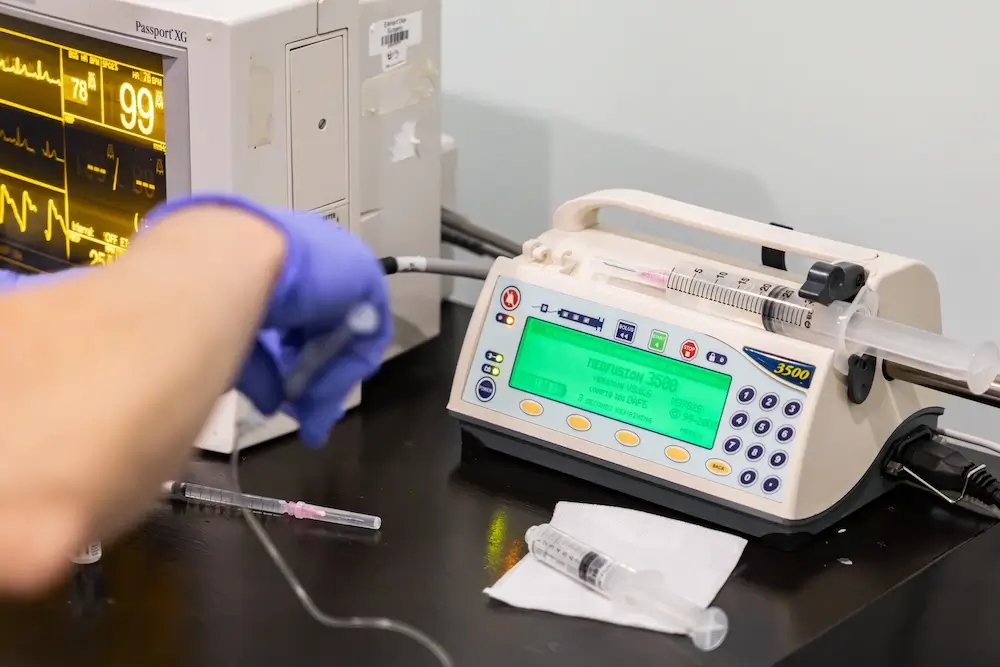
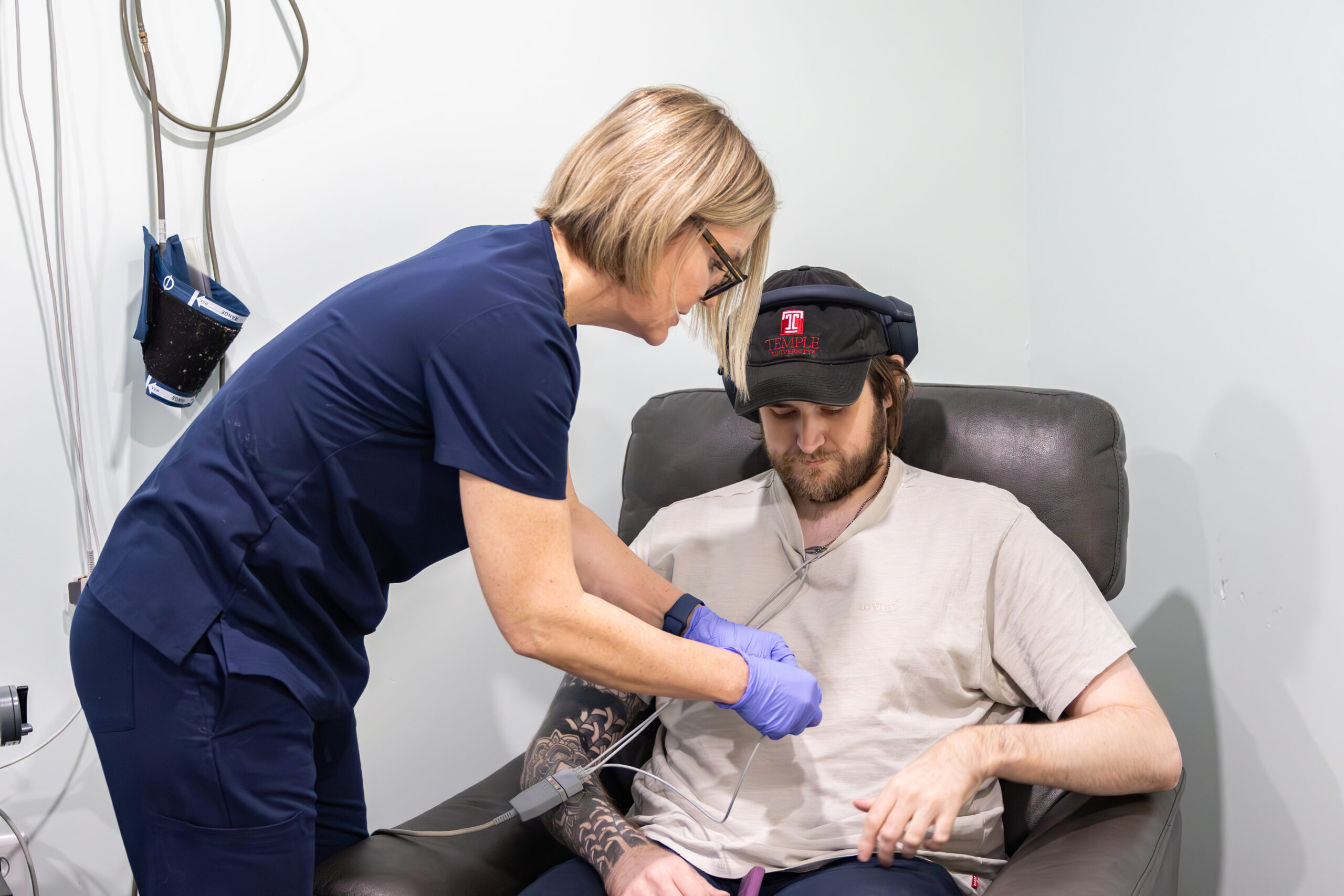
At Scottsdale Ketamine Clinic, infusions are administered in a monitored clinical setting.
- A clinician reviews your health history and current medications
- Vital signs are monitored throughout the infusion
- The infusion typically lasts 40 minutes to a few hours, depending on the protocol
- Most patients rest quietly during treatment in a calm, private setting
Every patient responds differently. Some notice a change after their first session. Others see gradual improvement across a series of treatments.
Who Might Be a Candidate for Ketamine Therapy?
Ketamine therapy is often considered by patients who have tried other treatments without enough relief. This may include physical therapy, medication, nerve blocks, or injections.
A free consultation is the best way to find out whether ketamine may be appropriate for your specific condition and health history.
Care Led By Experience
Jenice Hughes, CRNA, has administered ketamine for 25 years. As a board certified nurse anesthetist, her training includes anesthesia administration, airway management, and patient monitoring.
She brings that clinical depth to every infusion at Scottsdale Ketamine Clinic. For chronic pain patients, that level of experience can matter, especially for those with complex pain histories or previous treatment failures.
Our clinical team also includes Kara Bobbitt, RN, who support patients through every step of the treatment series.
Ready to Learn More?
Call our Scottsdale clinic at 480-613-3226 or our Phoenix clinic at 480-590-6154 to schedule your free consultation.
Our team can help you understand whether ketamine therapy may be a fit for your chronic pain, based on your own history and health needs.
Medical Disclaimer
This article is for informational purposes only and does not constitute medical advice. Please consult a qualified medical professional before beginning any treatment. Ketamine therapy may not be appropriate for all individuals.