
Medical Disclaimer: This article is for informational purposes only and does not constitute medical advice. Please consult a qualified medical professional before beginning any treatment. Ketamine therapy may not be appropriate for all individuals.
Crisis Resource: If you or someone you know is in crisis, call or text 988 to reach the Suicide and Crisis Lifeline. Ketamine therapy is not an emergency intervention.
You finally found something that may help. You researched. You made the call. You scheduled the consultation.
Then came the questions.
“Isn’t that what they use at raves?”
“Are you sure that’s safe?”
“Have you tried just getting more sleep?”
The people asking usually mean well, but the questions can sting. They can make you second-guess a decision you worked hard to reach.
This post is for you. It is for anyone navigating ketamine therapy while also navigating the confusion of the people who love them.
Why the Stigma Exists and Why It Makes Sense
Ketamine has a complicated public image. It is used recreationally in some contexts. It has street names. It has appeared in news stories about misuse.
So when your family hears the word “ketamine,” they are not thinking about a board-certified nurse anesthetist monitoring your vital signs in a clinical setting. They are thinking about something else entirely.
That misunderstanding is not a character flaw. It is a knowledge gap and knowledge gaps can be closed.
Here is the context most people are missing.
Ketamine has been FDA-approved as an anesthetic since 1970. It is on the World Health Organization’s List of Essential Medicines. It is used safely in hospitals and surgical settings around the world every day.
Its use for mental health conditions such as treatment-resistant depression and PTSD is considered off-label, but “off-label” does not mean experimental in the sense most people imagine. It means the FDA has not yet approved it for that specific indication, even when clinical evidence supports the use. Many widely accepted medical treatments are used off-label.
Esketamine, a closely related compound, was FDA-approved in 2019 under the brand name Spravato specifically for treatment-resistant depression. That approval matters. It tells a different story than “party drug.”
What You Do Not Owe Anyone
Before we talk about how to explain your treatment, let us say something clearly.
You do not owe anyone an explanation.
Your health decisions are yours. The depth of detail you share is entirely up to you. If someone in your life is making your treatment harder to pursue, you are allowed to set limits on that conversation.
That said, many patients find that honest, calm communication with close family members reduces friction over time. It can transform a worried parent or skeptical partner into a source of support. That shift is often worth the difficult conversation.
What follows is a framework for having it.
How to Start the Conversation
You do not need a medical degree to explain ketamine therapy. You need a few clear, honest sentences.
Start with what the treatment is, not what it is not.
It can be tempting to open with “It is not what you think.” But that immediately puts both of you in a defensive position. Try beginning with what is true instead.
Try instead: “I am working with a clinic that offers IV ketamine therapy. It has been used medically for decades. My provider is a board-certified nurse anesthetist with 25 years of experience specifically with this medication.”
That one statement covers legitimacy, safety, and clinical experience without requiring the other person to already know what ketamine is.
Addressing the “Party Drug” Question Directly
If someone asks about recreational use, you can acknowledge it without dismissing their concern.
Try instead: “You are right that some people misuse it recreationally. The same is true of many medications, including opioids and benzodiazepines. What I am doing is a clinical, monitored infusion at a certified medical clinic. The context is completely different.”
That framing validates their concern. It connects to something familiar. And it draws a clear line between recreational misuse and supervised medical use.
Explaining Why You Are Trying This
Most people who pursue ketamine therapy have a history behind them. Medications that did not work. Treatments that helped only partially. Years of managing symptoms while hoping something would shift.
You do not need to share all of that, but sharing some of it can help.
When loved ones understand that you have not arrived here impulsively, their concern often softens. They came to this conversation worried you were making a rash decision. Learning that you are a careful, informed person who has tried other paths can change the entire tone.
Try instead: “I have been dealing with this for a long time. I have tried other treatments. I did a lot of research before deciding to explore this. I am not doing it casually.”
What to Say About Safety
Safety is often the deepest concern behind the skeptical questions. Here are a few specific points you can share.
-
The clinic is LegitScript certified. LegitScript is an independent verification service that confirms a clinic meets clinical, regulatory, and ethical standards. Not every ketamine clinic carries this certification. Scottsdale Ketamine Clinic does.
-
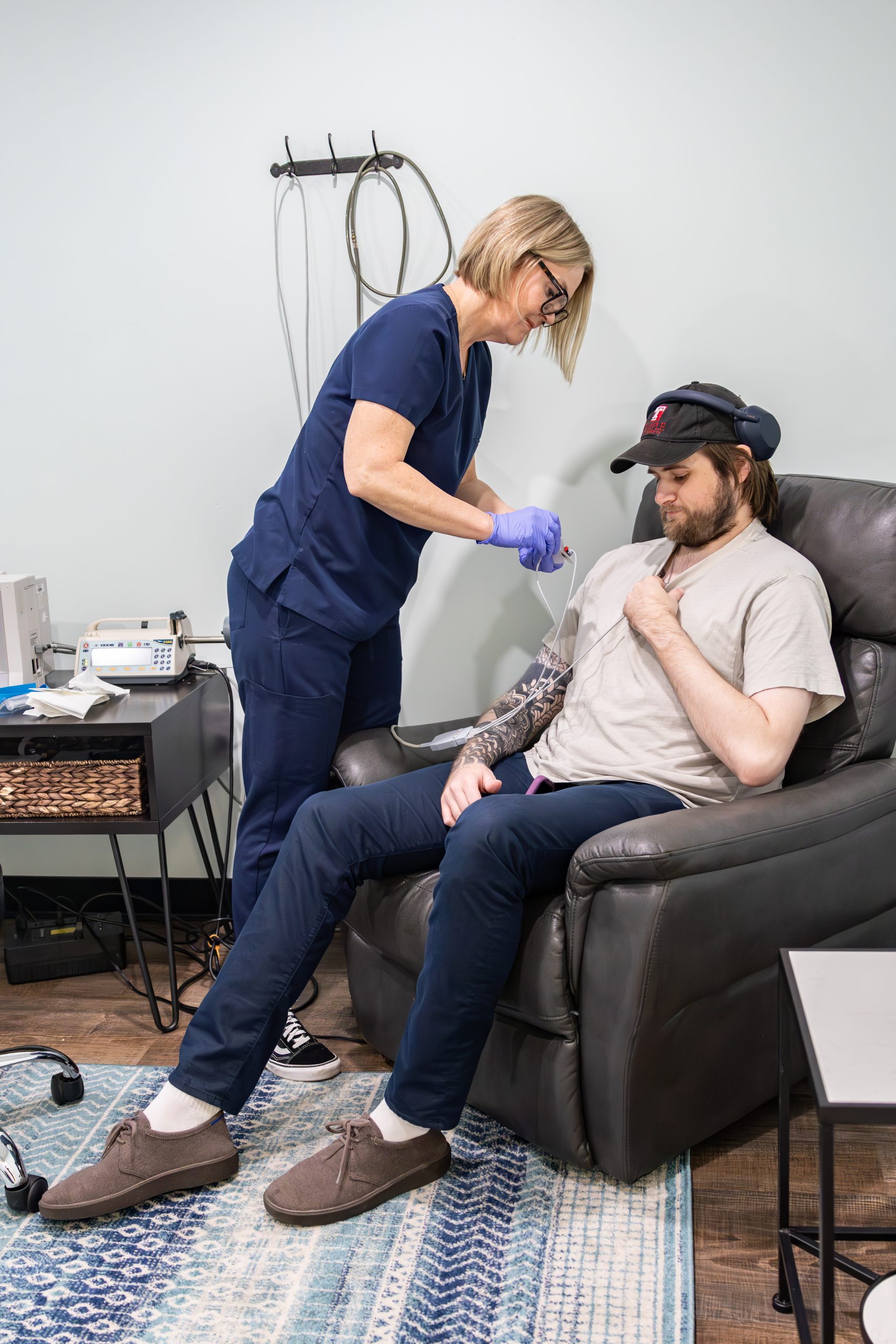
The treatment is administered by a CRNA. A Certified Registered Nurse Anesthetist is one of the most highly trained clinical professionals available in an outpatient setting. Their training specifically includes anesthesia administration and patient monitoring. Jenice Hughes, CRNA, has been administering ketamine for 25 years.
-
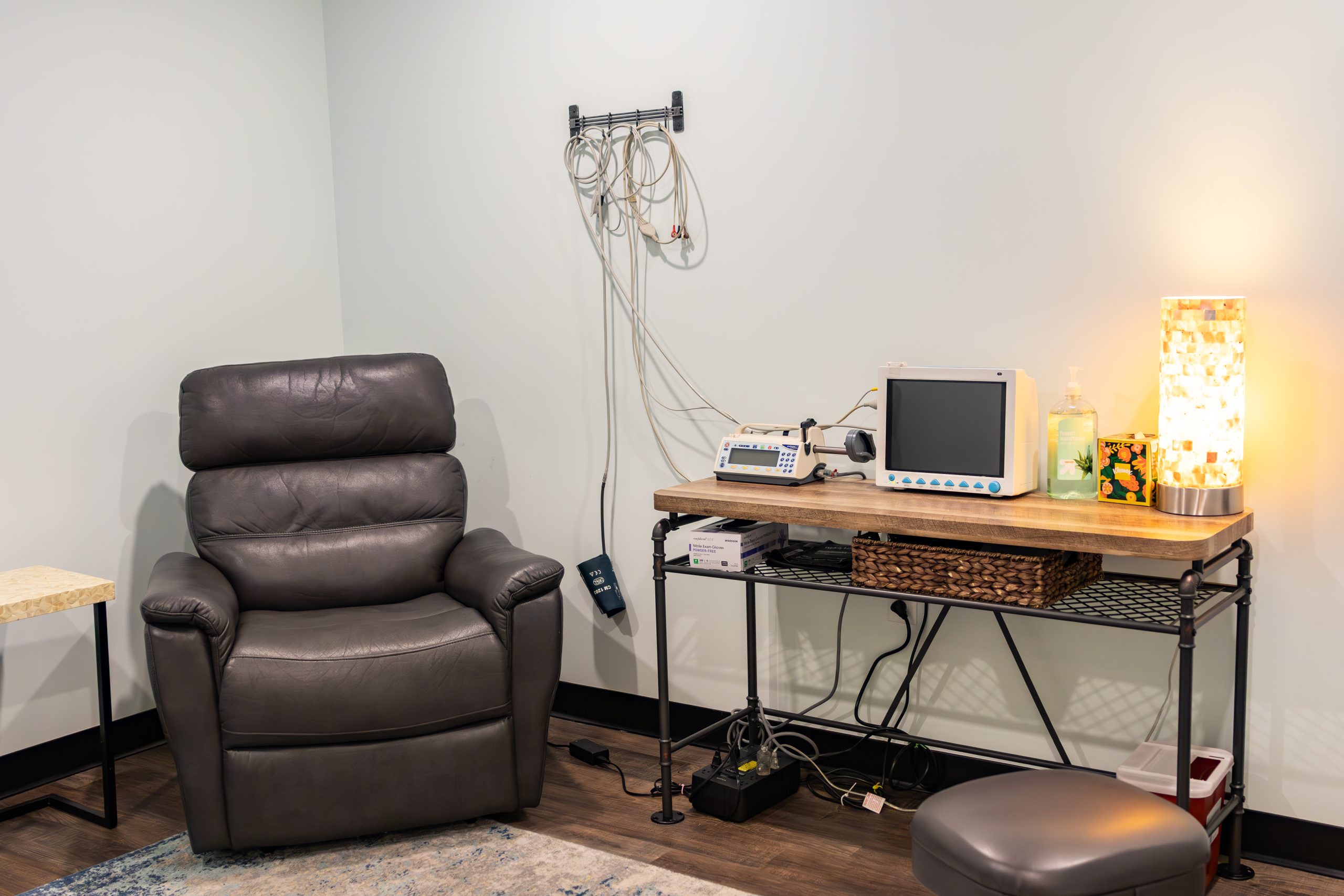
Vital signs are monitored throughout. This is not an unsupervised experience. A clinical team is present for the duration of every infusion.
-
The clinic belongs to the American Society of Ketamine Physicians, Psychotherapists, and Practitioners (ASKP). This is the professional organization that sets ethical and clinical guidelines for ketamine providers.
You don’t need to recite all of this. Choose what feels most relevant to the person you are talking to.
Talking to a Partner or Spouse

When the person asking is someone you share your daily life with, the conversation may go deeper. A partner may have concerns about how this affects them, your schedule, your mood during treatment, your finances.
Those concerns deserve acknowledgment.
Try instead: “I know this is new and it probably raises questions for you too. Can we set aside some time to go through it together? I can share what I have learned, and you can ask whatever you need to ask.”
Inviting your partner into the research process, rather than presenting a decision already made, often changes the dynamic from resistant to collaborative.
When Someone Simply Will Not Come Around
Sometimes a family member will not accept your explanation. They may continue to express concern, dismiss the treatment, or repeat the same objections.
At that point, you have choices.
You can share resources. The American Society of Ketamine Physicians, Psychotherapists, and Practitioners publishes professional guidelines and educational content that may carry more weight with a skeptical loved one than your own words.
You can set a limit on the conversation. “I have shared what I know. I am moving forward with my treatment. I would prefer not to debate it further.”
You can wait. Sometimes people need time and evidence. Watching someone they love improve after treatment can shift a perspective that no argument could.
What you cannot do is let someone else’s confusion become a reason to abandon a treatment that may genuinely help you.
A Note About Healthcare Providers
If your psychiatrist, primary care physician, or therapist does not know you are pursuing ketamine therapy, consider telling them.
Ketamine therapy works best as part of a broader care plan. Your infusion team wants to collaborate with your existing providers, not replace them. Many patients find that their mental health outcomes improve when their full care team is informed and coordinated.
You Have Already Done the Hard Part
Deciding to pursue treatment after a long road of trying other things is not easy. You made an informed, considered choice. The people around you will catch up.
If you have questions about what the treatment process actually looks like, or want to speak with our clinical team before committing to anything, a free consultation is available at both our Scottsdale and Phoenix locations.
Let’s get your the information you need before starting treatment, today!
Scottsdale: 480-613-3226 Phoenix: 480-590-6154
This article is for informational purposes only and does not constitute medical advice. Please consult a qualified medical professional before beginning any treatment. Ketamine therapy may not be appropriate for all individuals.
If you or someone you know is in crisis, call or text 988 to reach the Suicide and Crisis Lifeline.